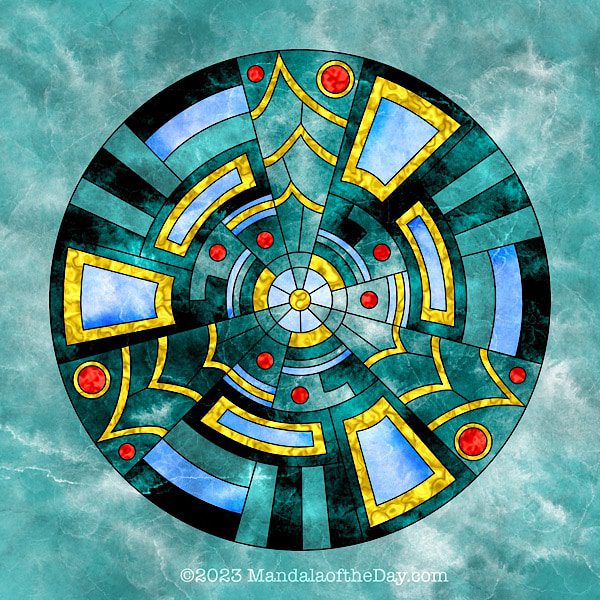
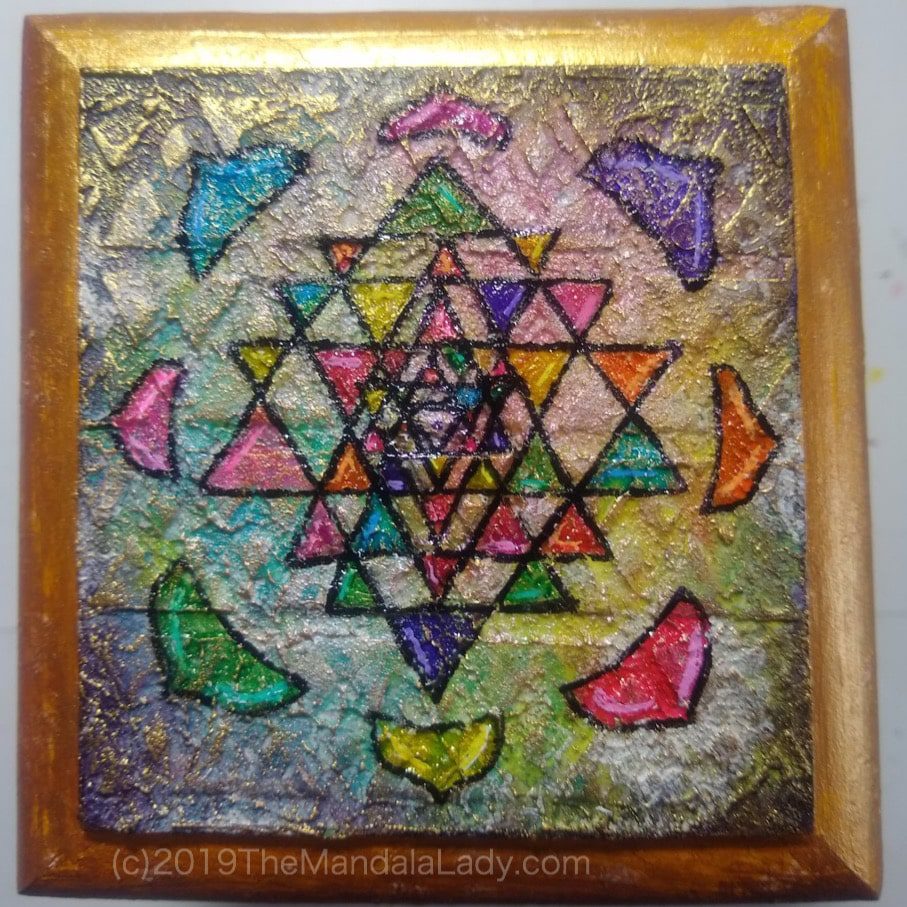
Here, mandalas are grouped by design language—each style offering a distinct way of seeing, sensing, and relating to pattern or the lack of pattern. Think of these as more than just aesthetic categories, but as different dialects spoken by the same soul—each offering a unique invitation to pause
Symmetry
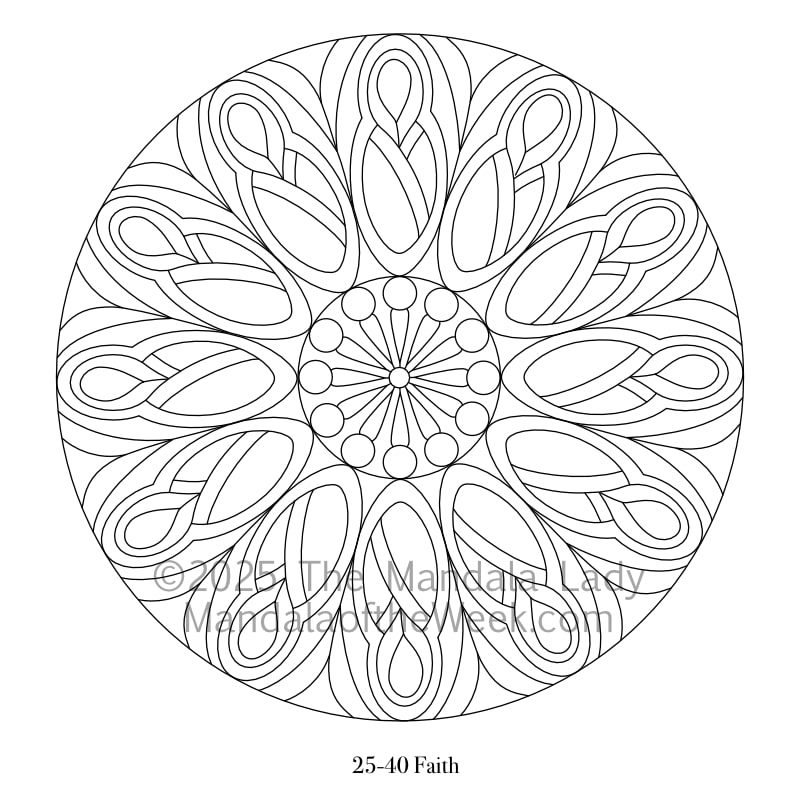
Symmetry invites the mind to settle.
These mandalas emerge through an intuitive process, guided by intention, repetition, and harmony—forms that echo the natural intelligence of snowflakes, flowers, and galaxies. They offer a sense of order without rigidity, making them especially suited for grounding, centering, and quiet focus.
Here, balance is dynamic rather than fixed—movement replaces predictability. These mandalas speak to the beauty of variation, growth, and lived experience, reminding us that harmony can show up as something other than sameness.
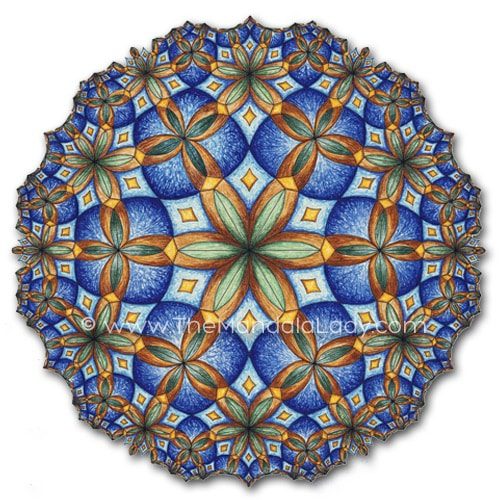
Inspired by mathematical and non-Euclidean geometry, hyperbolic tessellations stretch perception beyond the familiar. The patterns feel alive, expanding and folding in on themselves—ideal for those drawn to complexity, mystery, and the edges of comprehension.
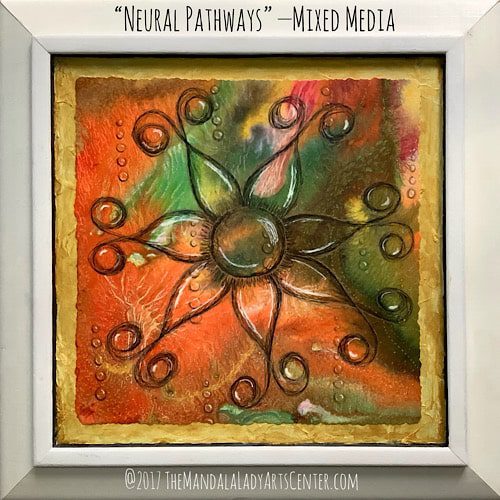
Abstract mandalas bypass logic and speak directly to sensation.
Color, rhythm, and form take precedence over recognizable structure, allowing meaning to arise subjectively. These pieces are less about “understanding” and more about resonance—what you feel when you stop trying to name what you see.
Created digitally in Procreate, these mandalas are original works designed with reproduction in mind. The digital medium allows for expanded play, layering, and experimentation while preserving the intuitive, meditative process at the heart of my practice. Most are symmetrical, and all are created as digital originals—intended to be experienced through fine art prints and thoughtfully produced everyday items.
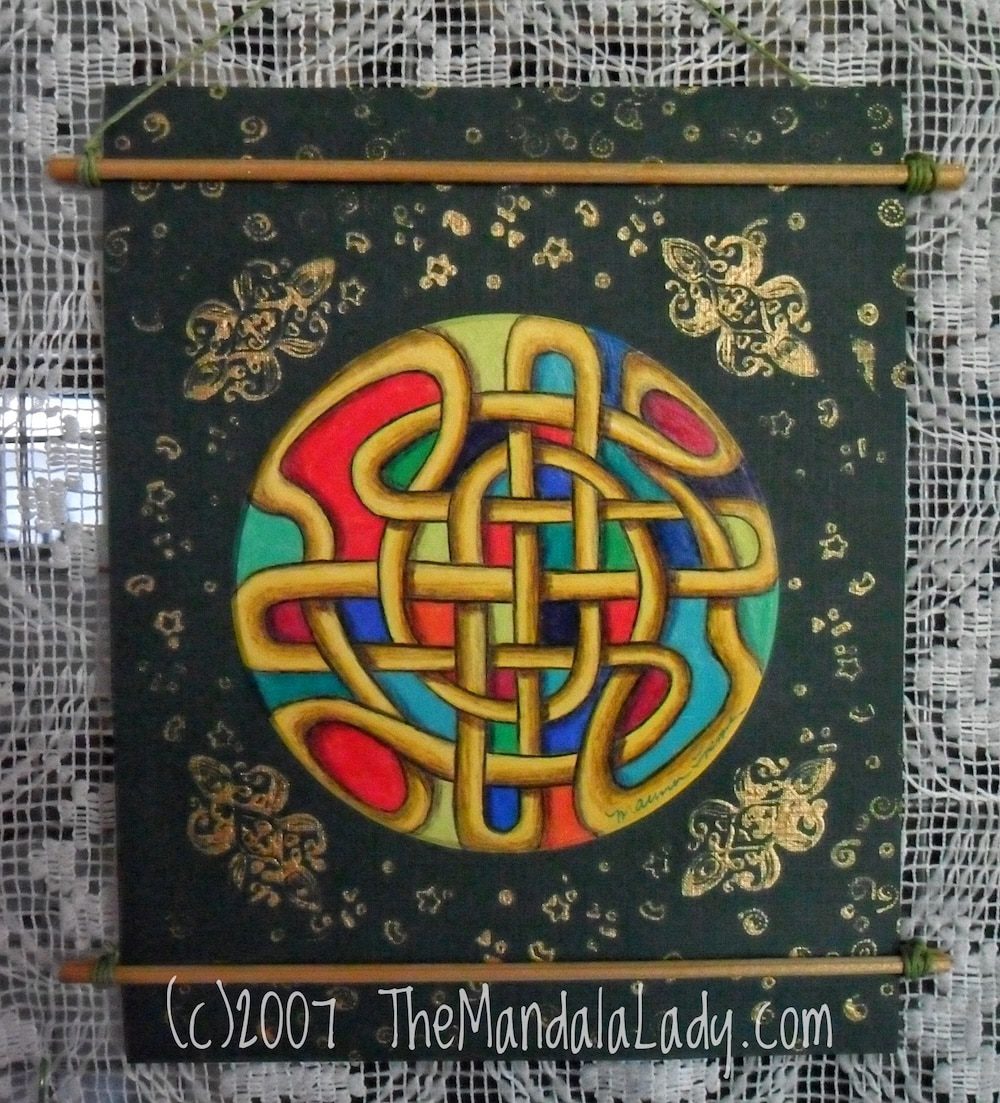
Rooted in ancient visual languages, these mandalas honor lineage.
Drawing inspiration from Eastern spiritual and artistic traditions, these works reference time-tested symbols and structures used for meditation and ritual. They are offerings of respect—to practices that have long understood art as a bridge between worlds.